Meeting assistants can organize preparation, notes and follow-up, but platform access, attendee consent and source reliability have to shape the design. A generated action list is a draft until its owners confirm it.
Separate pre-meeting preparation, post-meeting artifact processing and live media participation. Each has different integration requirements.
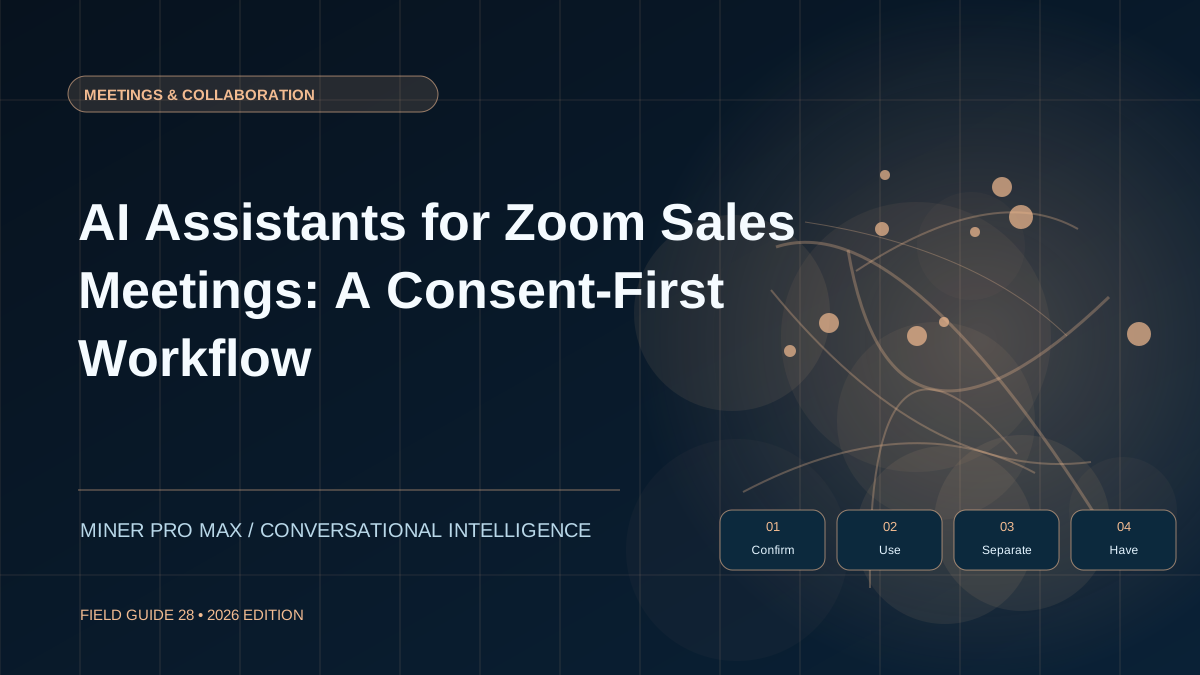
A meeting assistant should prepare an editable follow-up draft grounded in permitted meeting data, not silently join calls or record attendees.
Read the guide →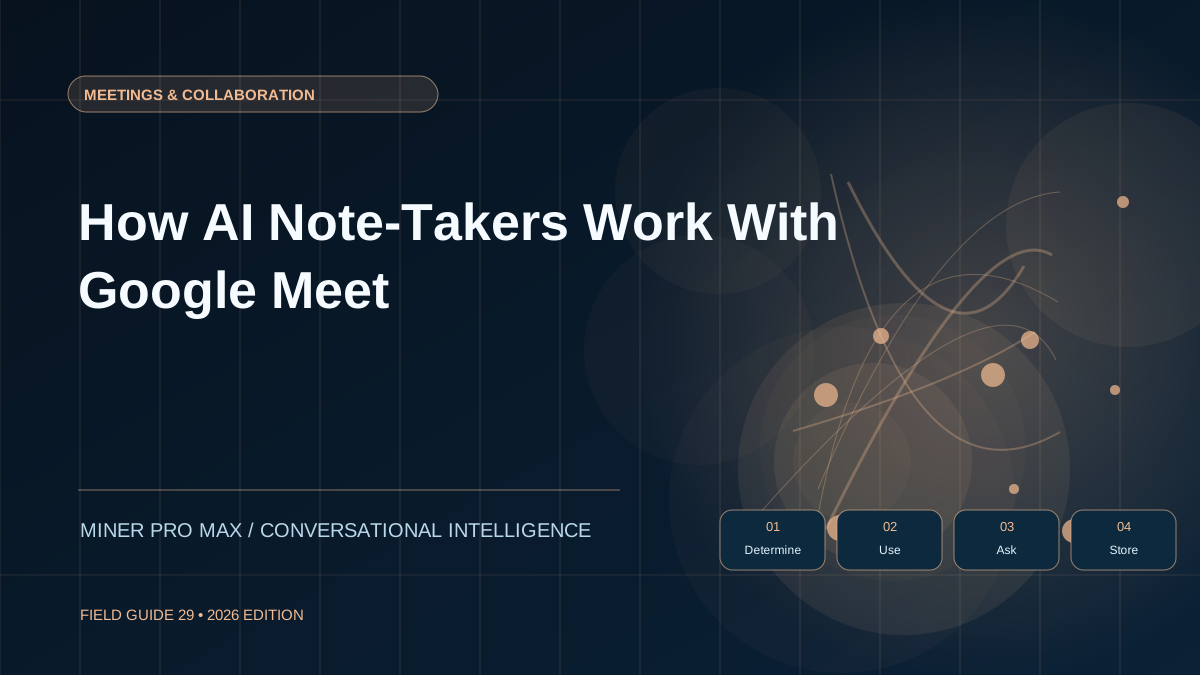
Meeting metadata, transcripts and real-time audio are different access paths with different permissions and API availability.
Read the guide →
Good summarization differentiates decisions from suggestions and avoids assigning ownership from vague language.
Read the guide →
Pre-call rehearsal can improve focus without giving an automated agent access to the meeting itself.
Read the guide →
The main value is reliable follow-through rather than maximum transcript length.
Read the guide →
Separate in-meeting participation, real-time media streams, webhooks and after-meeting artifacts before estimating effort.
Read the guide →
The Google Meet REST API can support meeting lifecycle and artifacts; real-time media access is a separate restricted area.
Read the guide →
Useful notes emphasize status, evidence and a named reviewer so colleagues can act confidently.
Read the guide →The guides explain potential conversational-AI use cases. Check each live product for currently supported features.